
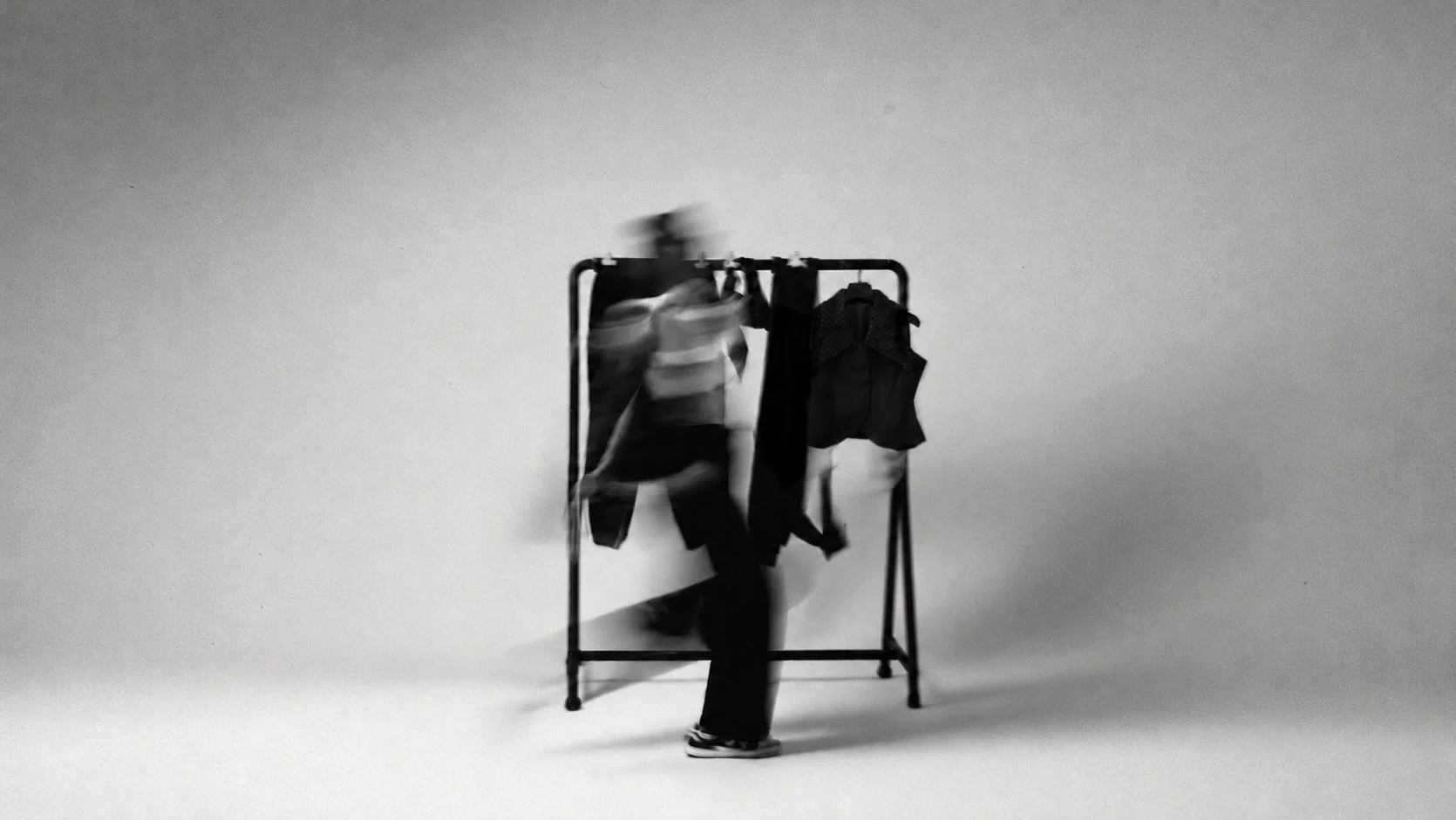
A compelling visual is a hypothesis, not evidence of a successful retail environment.
A question worth asking
In luxury retail, architecture is often discussed through its most immediate expression: the image.
Yet the value of a designed environment cannot be separated from the choices that make it possible, the people who use it, and the realities of its construction.
A compelling visual is a hypothesis, not evidence of a successful retail environment.
This is not an argument for a single aesthetic or a fixed methodology. It is an invitation to examine what we reward, what we overlook, and what we might choose to do differently.
The seductive camera angle
Visualisation is indispensable to architectural communication, but its strength is also its limitation. It freezes an ideal condition. A boutique is never experienced as a single still image: it unfolds through arrival, orientation, browsing, consultation, payment and departure.
The missing users
A rendering may show a customer approaching a display, but not the employee restocking it. It may communicate a luminous countertop, but not the practical space required for wrapping, point-of-sale equipment or accessibility. These omissions are not arguments against imagery; they are reasons to evaluate the design through additional lenses.
Buildability as design quality
The detailing of a material junction, the coordination of services, maintenance access and installation tolerances affect the built result.
They are not administrative chores delegated after creativity is complete.
They are part of the creative proposition.
Approval should mean more
An approved image should be understood as a commitment to a design intention, not proof that every implication has been resolved. Reviews need drawings, material samples, operational testing and cross-disciplinary coordination. The exact mix depends on the project, but the principle is constant: judge architecture as a system.
After the opening
The true test begins when the space is used repeatedly.
Does it support service? Does it age appropriately? Can it be maintained without compromising its character? A store that succeeds only in a photograph has succeeded at photography, not necessarily architecture.
The FRAME/WORKS perspective
We believe architecture requires a continuous relationship between intention and execution. Ideas deserve to be questioned before they become drawings, and drawings deserve to be tested before they become built spaces.
Technology can help this process, but it cannot absolve a practice of its responsibility for the decisions it makes.
The useful question is not simply what the next luxury store will look like. It is what its architecture will make possible.. and why that matters.
TM.