
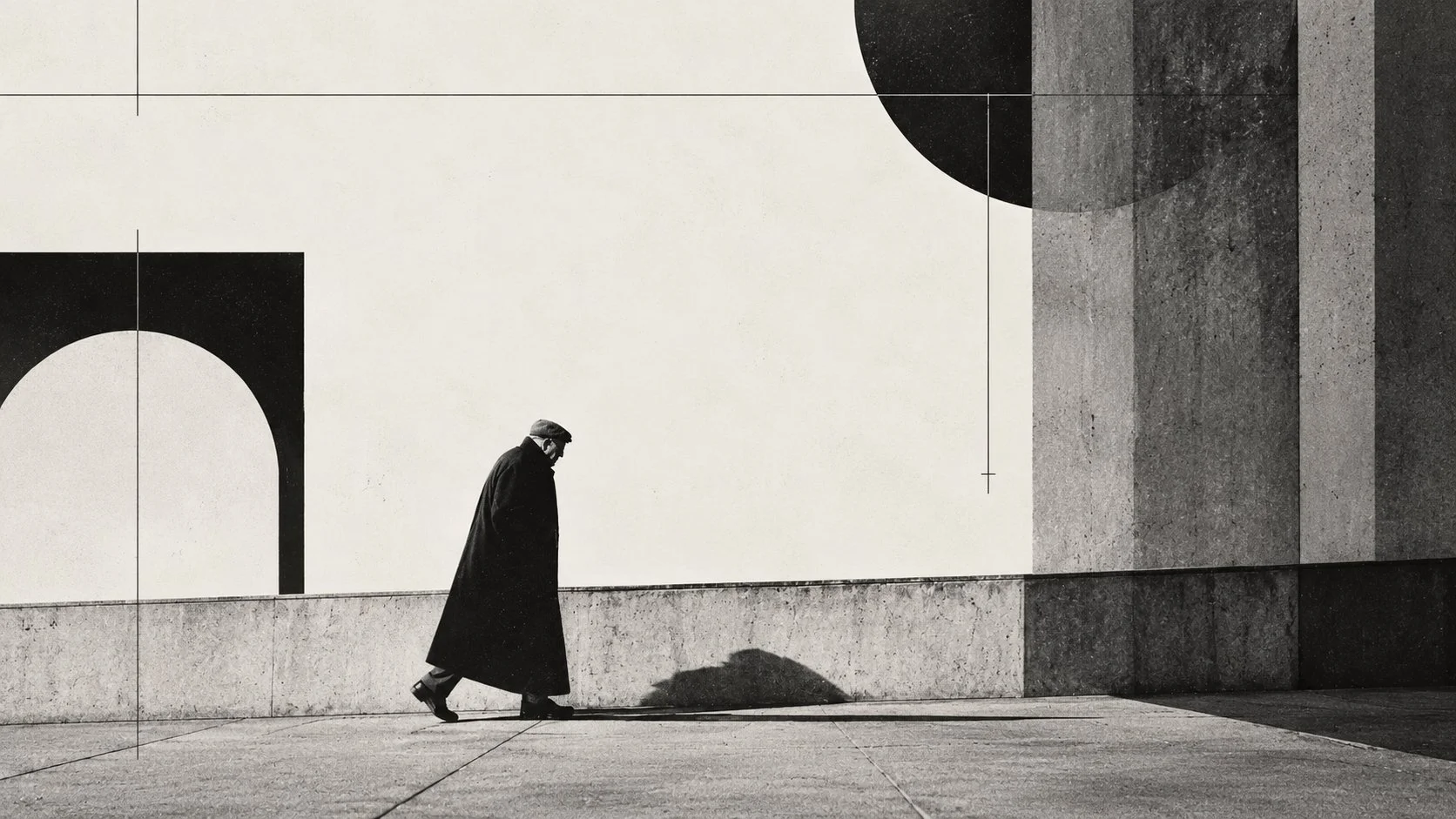
The flood of images makes judgment, authorship and responsibility easier to see. It doesn’t make them any more valuable on its own.
A question worth asking
When people talk about architecture in luxury retail, they usually start with the picture. The render, the photo, the thing you’d scroll past on your phone. But a designed space is more than how it looks. It depends on the choices behind it, the people who actually walk through it, and the messy reality of getting it built. More images in the world means we can see who made the calls and who owns them. It doesn’t mean the work is worth more. I’m not pushing a single aesthetic here, and I don’t have a fixed method to sell you. I’d just like us to look at what we reward, what we tend to miss, and what we could do differently.
The image economy
Generative tools have changed what it costs to explore an idea visually. Testing a mood used to take real time and money. Now it takes a few minutes, and far more people can produce polished imagery. That matters, and it’s a good thing in plenty of ways. But a beautiful picture can’t tell you if the proposal is right for the brand, original, built to last, or even buildable. Making representation available to everyone is one thing. Making professional judgment available to everyone is another, and we shouldn’t mix them up.
The problem with the human-made label
Slapping “human-made” on something means little by itself. A signature only counts if it points to a thoughtful process behind it. People make bad decisions all the time. Machine-assisted workflows can be rigorous. So the old split between human and artificial misses the harder question, which is whether the work was truly examined and challenged, or just produced.
The reality of a luxury boutique
A boutique has to turn a brand’s identity into something you can feel when you walk in. It also has to work for the staff, hold the merchandise, handle services, get through approvals and survive construction. Whether it succeeds comes down to how all of those pieces fit together. One convincing viewpoint won’t carry it. That’s why the architectural question starts where the image ends.
A better use for AI
We should welcome tools that speed up iteration, make information easier to reach and show us options we hadn’t considered. Still, the job doesn’t change. Someone has to test the assumptions, choose the trade-offs and own the outcome. A fast workflow isn’t automatically a smart one.
What is actually scarce
Once good-looking images are everywhere, the rare things will be different ones: discernment, a coherent point of view, real knowledge of materials, and a willingness to be accountable. The most valuable designer isn’t necessarily the one who avoids AI. It’s the one who knows why a decision is worth making.
The FRAME/WORKS perspective
We believe architecture needs an unbroken link between intention and execution. Ideas should be questioned before they turn into drawings, and drawings should be tested before they turn into built spaces. Technology can help along the way, but it can’t take over responsibility for the decisions a practice makes.
So the useful question isn’t just what the next luxury store will look like. It’s what its architecture will make possible, and why that matters.
TM.
Check it out here too: https://lnkd.in/p/dqgkaAZw