
The Store Is The Infrastructure Now (Again)
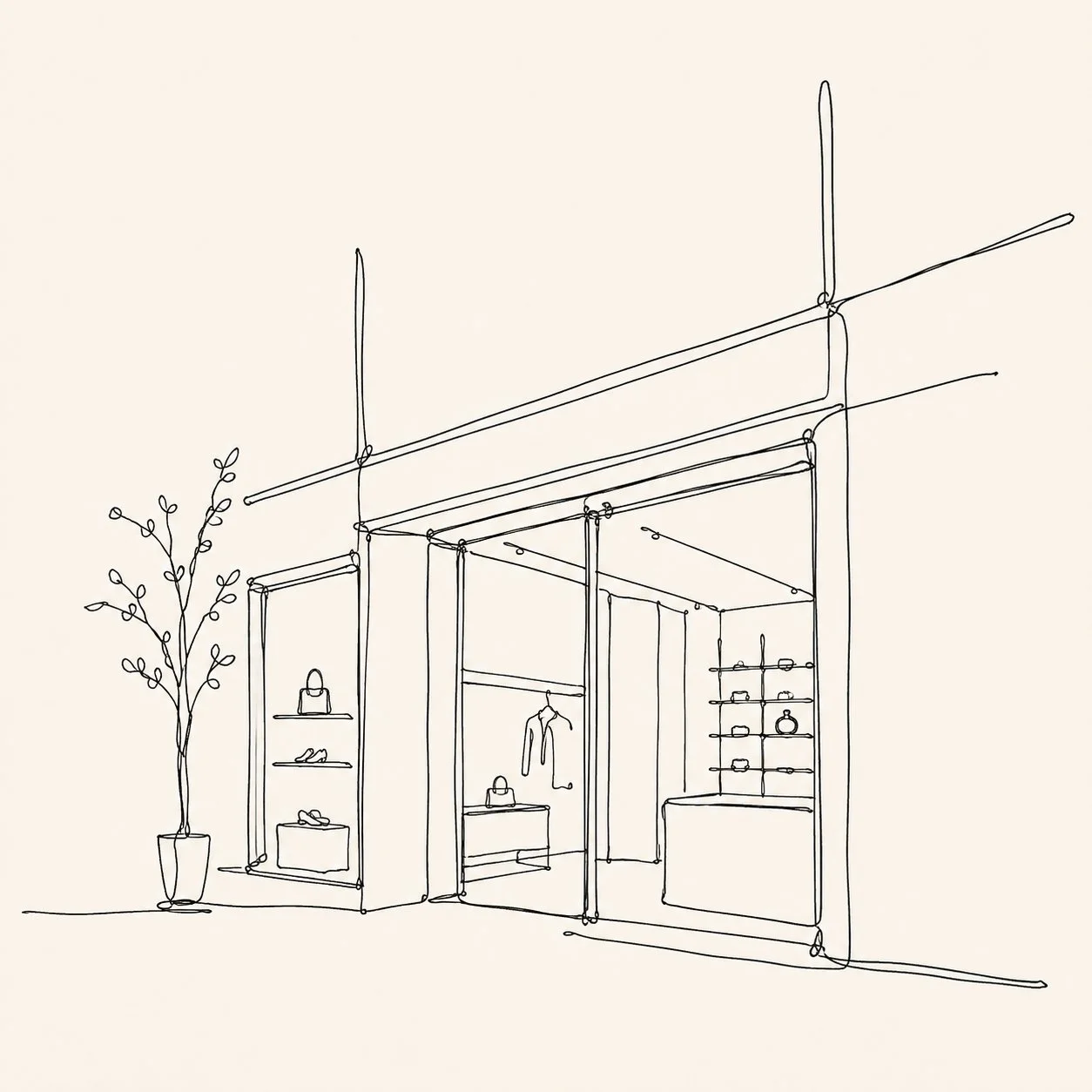
A few years back, everyone said the same thing: physical stores were done. Buy everything online, and the shop becomes something you visit for old times’ sake, not something a brand actually needs. That prediction was wrong. Flagship stores are opening again in 2026, and it has nothing to do with nostalgia.
The real reason is simple. Finding customers online has gotten expensive, and everyone’s fighting for the same few seconds of attention on a screen. A store does something an ad never can. You walk in, you touch the product, you meet the brand somewhere real, and that stays with you in a way a scroll never does. What’s interesting is who’s leading this comeback. The brands that once refused to build stores at all, the ones that grew up entirely online, are now some of the most eager to open doors. They’ve realized a good store doesn’t just sell things on its own. It makes every other customer cheaper to win, and it even lifts sales at nearby locations. The shop was never obsolete. It was just waiting for someone to figure out what it should really be doing.
But let’s be honest about something. The big luxury houses never needed to relearn this lesson. While everyone was busy predicting the death of retail, they kept building, kept expanding, kept pouring money into bigger and more ambitious flagships. They understood something the digital-first world took a decade to catch up on: a store isn’t a cost center you tolerate, it’s the clearest statement a brand can make about itself. Their patience is starting to look less like stubbornness and more like foresight.
The brands that get it aren’t treating these spaces as a marketing expense anymore. They’re building a piece of the business itself, something meant to earn its keep for years, not just impress for a season. Opening day was never the finish line. It’s the first day of a much longer test, and some brands have known that for a while.
There’s another piece to this too. A brand doesn’t stay still for long. The product mix shifts, a new category gets added, and the way people want to shop keeps changing under everyone’s feet. A store built as infrastructure has to leave room for that. Not a fixed set piece frozen in whatever the brand wanted to say the day it opened, but something that can absorb a new collection, a different layout, a shift from browsing to something more experiential, without a full teardown every time. That kind of flexibility has to be designed in from the start. You can’t bolt it on later.
This is where our part of the work gets harder, not easier. A store meant to last has to survive things nobody photographs: years of foot traffic, staff moving through the same spaces every single day, seasonal changeovers, a display that gets rebuilt a dozen times before anyone thinks to touch the walls again. None of that shows up in the launch photos. But it’s exactly what decides whether the space still feels considered two years later, or starts to look tired while the brand keeps moving without it.
We’ve always believed the right way to build something is to understand its limits and needs first, before chasing how it should look. This retail comeback feels like proof we’ve had that right all along. A store that’s built to last has to be built to change too.