
When a Brand with No Address Needs a Front Door
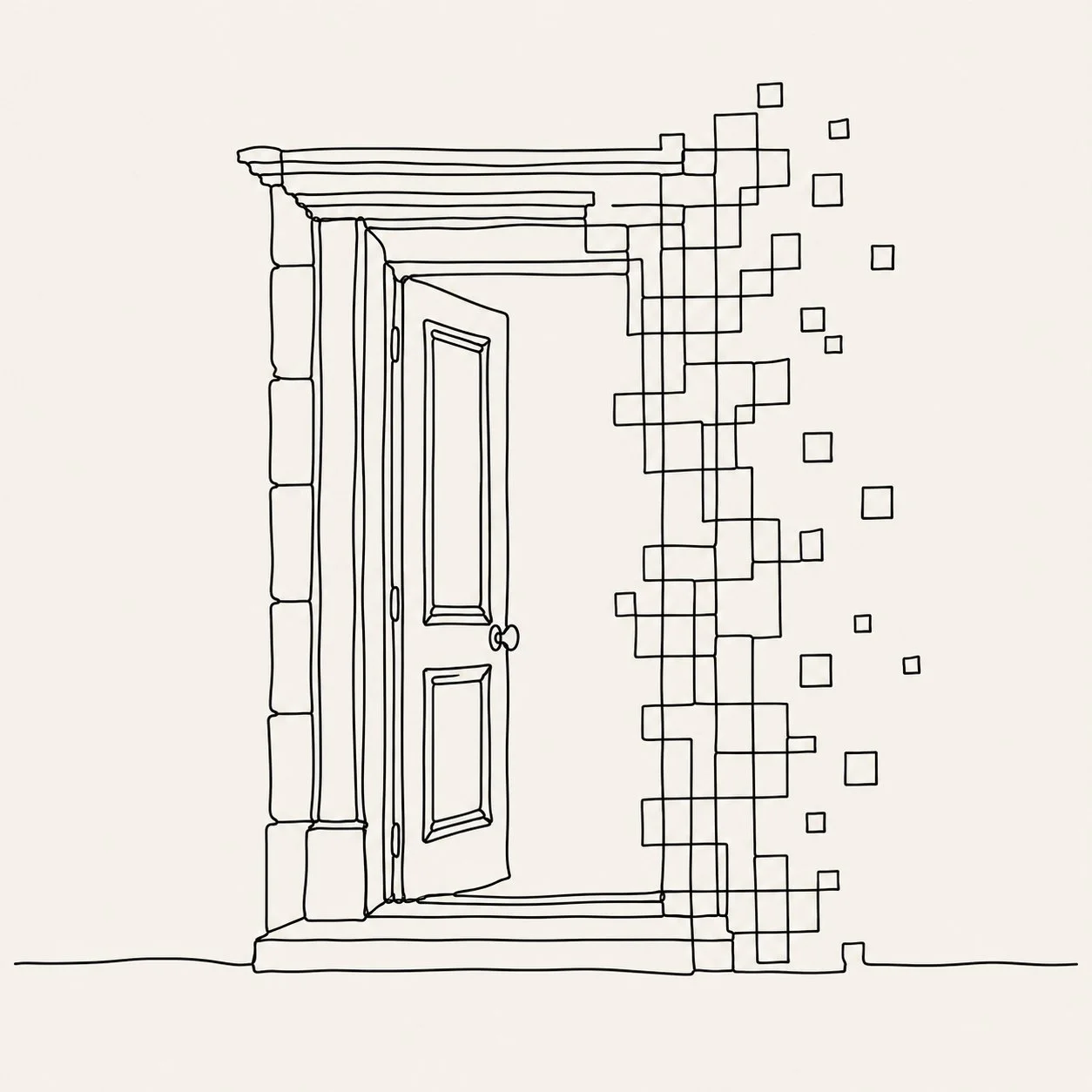
Designing the first physical space for a digital-native fashion brand is an unusual commission.
There is no existing store to reinterpret. No inherited layout, no legacy signage, no established architectural language. The brand may already have a recognisable identity online, but in physical terms it has no history. Everything begins with a blank sheet of paper.
That freedom is appealing. It also makes the brief surprisingly demanding.
Digital brands are built around systems that evolve constantly. Websites are refined, interfaces updated and customer journeys adjusted almost without friction. Physical space operates under different conditions. Buildings respond to gravity, materials, daylight and time. They ask people to move, pause and discover things at a human pace. Even the smallest change usually requires drawings, construction and investment.
The challenge, then, is not translating a logo into three dimensions. It's translating a mindset.
Navigation illustrates the difference well. Online, the experience can reorganise itself around each visitor. Recommendations change, content shifts and the interface adapts continuously. A store cannot behave like that. Once a plan is built, it becomes part of the architecture.
Yet good retail design has its own ways of responding. Light can quietly guide movement. Sightlines can reveal products gradually rather than all at once. Changes in scale, material and proportion can create rhythm without relying on technology. None of these elements are interactive in the digital sense, but together they can produce an experience that feels intuitive and personal. This is where architecture offers something different rather than trying to imitate the behaviour of a screen.
The purpose of the store changes as well. For many online-first brands, a physical location is no longer simply another point of sale. Customers already know how to buy. What they cannot do online is understand weight, texture, proportion or atmosphere. They cannot experience the quality of materials, the character of light or the pace of a carefully composed sequence of rooms.
The first store becomes a place where the brand can be tested against reality.
It is where digital identity acquires physical credibility. Materials, craftsmanship and spatial quality begin to carry as much meaning as typography or photography. The experience extends beyond the product itself.
Seen from this perspective, the brief becomes less about displaying an entire collection and more about creating a memorable encounter with the brand.
That also explains why these projects demand so much precision. Without an existing architectural vocabulary to rely on, every decision contributes to the identity of the brand. The choice of stone or timber, the depth of a threshold, the alignment of a window or the way natural light enters a room all become part of a language that did not previously exist. Perhaps that is what makes these commissions so compelling.
The most successful spaces for digital-native brands do not attempt to recreate the internet in physical form. Instead, they embrace the qualities that only architecture can offer: permanence, materiality and presence.
A website can introduce a brand. A store gives it an address.
And sometimes, that first front door becomes the strongest expression of the brand itself.